
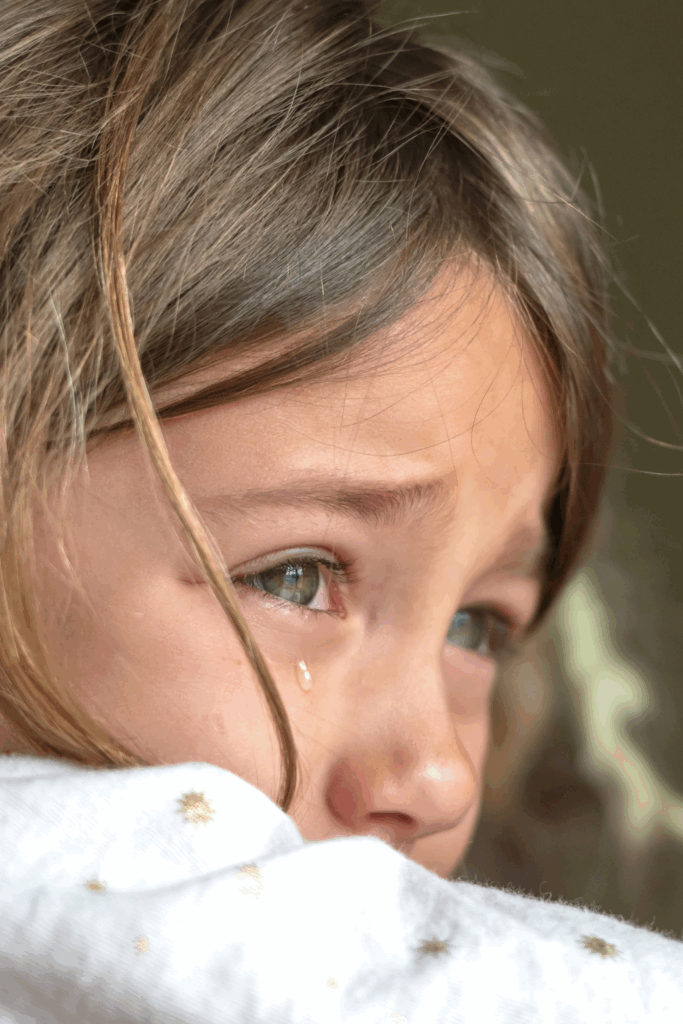
Helping Children (and Parents) Through the Big Feelings of Goodbye
Preschool drop-offs, bedtime transitions, or even a parent leaving for a work trip, these everyday moments can trigger what we know as child separation anxiety. While stressful for children (and their parents!), this stage is most of the time a normal and healthy part of development. Learning to cope with brief separations fosters trust, resilience, and emotional regulation skills that children will carry with them for life.
But in some cases, the worry becomes more intense and persistent. That’s when parents may hear the term Separation Anxiety Disorder (SAD), a more serious and longer-lasting form of anxiety that sometimes requires professional support.
Let’s explore what separation anxiety is, why it happens, and what parents and children can do to move through the big feelings of goodbye with greater confidence.
What Is Separation Anxiety?
Separation anxiety is the distress children (and sometimes adults) feel when apart from parents or primary caregivers.
- Infants: May begin showing distress between 8–12 months, when they understand object permanence (knowing someone still exists even when out of sight).
- Toddlers & preschoolers: Separation fears often resurface as they take big steps toward independence, such as starting school, trying new activities without parents, or even sleeping alone.
Signs of separation anxiety in children can include:
- Crying, clinging, or tantrums at drop-off
- Refusing to go to school or activities without a parent
- Nightmares or trouble sleeping alone
- Complaints of stomach aches or headaches before separations
- Constant reassurance questions (“When are you coming back?”)
For most children, these behaviors are a phase that passes with support.
Why Does It Happen? The Science of Connection
At its core, separation anxiety is about safety and attachment.
From an evolutionary perspective, staying close to caregivers helped children survive and thrive. That wiring still lives in our nervous systems today.
- The amygdala (our brain’s alarm center) reacts strongly to threat or uncertainty.
- The prefrontal cortex (responsible for calming and reasoning) is still developing in young children.
That’s why big feelings can overwhelm children, and why they need caregivers’ steady presence to co-regulate. The great news? A young child’s brain is especially malleable; every goodbye ritual and calming strategy builds stronger neural pathways for resilience.
Separation Anxiety vs. Separation Anxiety Disorder (SAD)
It’s important to distinguish between typical developmental separation anxiety and SAD (Separation Anxiety Disorder):
- Typical separation anxiety → lasts for days or weeks, eases with consistency and support, and appears mostly around new or stressful transitions.
- SAD (Separation Anxiety Disorder) → persists for months, causes intense distress, and significantly interferes with school, friendships, sleep, or daily life.
If a child’s worry feels extreme or unrelenting, parents should consult a pediatrician, counselor, or child psychologist for extra guidance. Early support makes a huge difference.
How to Support Children Through Separation Anxiety
The good news is that small, consistent steps can help children cope. Research-based strategies include:
1. Create Predictable Goodbye Rituals
A special hug, high-five, or brief phrase provides children with predictability and comfort. Keep it consistent and brief.
2. Practice Small Separations
Build confidence gradually. Leave the room for a few minutes, then extend the time. Show your child that you always return.
3. Stay Calm and Confident
Children read their parents’ emotions. If you linger anxiously, kids worry that something is wrong. A calm, upbeat goodbye communicates safety.
4. Name and Normalize the Feelings
Try: “I see you’re sad that I’m leaving. That’s okay—you’ll be safe, and I’ll be back soon.” Naming feelings helps with emotional literacy.
5. Offer Comfort Tools
A photo, a note in a backpack, or a soft toy can serve as a transitional comfort object, reminding them of a connection.
6. Celebrate Reunions
Reunions are just as important as goodbyes. When you return, give a few minutes of undivided attention; this teaches children that separations always end in reconnection.
How Parents Can Cope with Separation Anxiety, Too
Separation anxiety doesn’t just affect children; it touches parents deeply. It’s normal to wonder, “Will my child be okay without me?” or feel guilt when leaving.
Here are supportive strategies for caregivers:
- Give yourself grace. Your worry comes from love.
- Practice self-care. Deep breathing, journaling, or even a short walk can steady your own nervous system.
- Connect with the community. Sharing struggles with other parents reminds you: you’re not alone.
- Model calmness. When parents demonstrate balanced coping, children learn by example.
The Bright Side of Goodbye
Though separation anxiety can be challenging in the moment, it’s also a powerful learning opportunity. Every time a child learns, “I can miss you, feel sad, and still be okay,” they are wiring resilience, courage, and trust into their growing brain.
Separation is not the end of connection; it’s a steppingstone toward independence. With patience, compassion, and effective tools, children (and parents) can face goodbyes with greater strength.
Call to Action: A Ritual to Try Today
Goodbyes don’t have to feel overwhelming; you can transform them into moments of comfort and connection. Try this simple “Goodbye–Hello Ritual” with your child:
- Pick a special gesture – a hug, high-five, secret handshake, or short phrase like “See you later, alligator!”
- Keep it consistent; use the same ritual every time you separate, so your child knows exactly what to expect.
- Give them something to hold onto – this could be a small drawing, even a photo.
- Celebrate the reunion. When you return, repeat the ritual in reverse (such as saying “Hello, sunshine!” or giving a hug).